





Every procedure at our Nottingham clinic is carried out by a GMC-registered doctor
Centrally located and easy to reach from across the East Midlands by road and public transport
An honest look at your hair loss, your donor supply, and what surgery can realistically achieve
Your surgeon concentrates on your procedure throughout the day, no shared time between multiple patients
Transgender Hair Transplant Nottingham
Our hair transplant clinic in Nottingham is experienced in performing surgeries for FTM and MTF transgender patients. We recommend the DHI and FUE hair transplant methods for transgender patients. These hair transplant procedures not only enable patients to reshape their hairlines (for a more masculine or feminine appearance) but do not leave patients with a lifelong linear strip scar. Book a free consultation and start your hair restoration journey today!
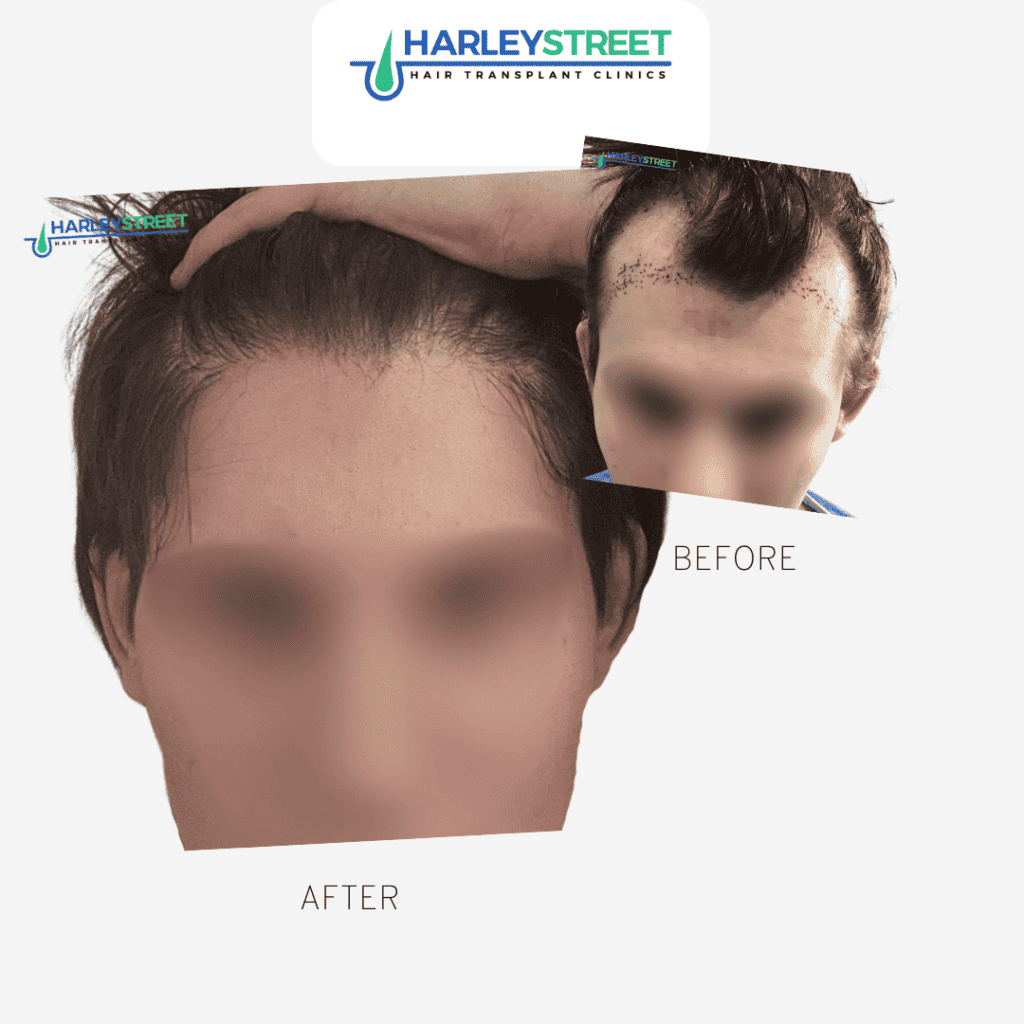
Before and After Transgender Hair Transplant Results in Nottingham
A selection of results from patients treated at our Nottingham clinic. All procedures were performed by our GMC-registered surgeons.
What is Transgender Hair Transplant Surgery?
Transgender hair transplant surgery aims to reshape and redesign a person’s hairline to give them a more “masculine” or “feminine” appearance. This procedure is designed with gender reassignment surgery in mind, helping patients attain the look of the gender they identify as and increase self-confidence in their appearance.
What separates the transgender hair transplant from other forms of hair transplantation is the particular focus on the shape and design of the hairline. During the initial consultation, we will provide you with a specialised treatment plan outlining the new design of your hairline and the number of grafts required for surgery.
Several treatment options are available to transgender patients. FUE hair transplant surgery is the most popular hair loss treatment as it is suitable for MTF and FTM patients. The Nottingham Clinic also offers the Direct Hair Implantation (DHI) method for eligible patients and (although rare) Follicular Unit Transplantation (FUT) for MTF patients with severe hair loss.
What Separates Transgender Hair Transplants From Other Forms of Hair Transplantation?
The difference in a hairline hair transplant for transgender and cis-gender patients is small but crucial. It all comes down to the intended aim of the surgery. Here’s the difference!
Hairline hair transplants are traditionally performed on cis-males with the express intention of reversing early signs of male pattern baldness and making the hairline look thicker and fuller. As a result, this gives a man a younger-looking appearance.
The shape of the new hairline is designed to be deliberately “masculine” looking as it maintains a slight “m-shaped” curve from the widow’s peak to the sides. This differs from a feminine hairline, which is traditionally lower and “bell-shaped”.
For MTF (male to female) trans patients, the distinct aim is to feminise the hairline and transform the hairline from an “m-shape” to something more feminine. The exact shape of the hairline differs from person to person. However, the most common feminisation surgeries look to lower the hairline and give it a curvier shape.
Hair transplants for FTM (female to male patients) patients are actually very similar to surgeries offered to cis-males. Prolonged exposure to high levels of testosterone in hormone therapy can cause hair loss in trans men. Often, this causes a hair loss condition called male pattern baldness, which can be treated with a hair transplant. The aim of surgery, here, is the same as a traditional hairline hair transplant.
How Does a Hair Transplant Surgery Work?
A hair transplant is a surgical procedure that looks to reverse signs of hair loss and transform the appearance of a person’s hairline and (sometimes) crown. This is done by taking hair follicles (grafts) from the back and sides of the head (donor area) and implanting them into the balding area (recipient site).
Hair transplants are performed by a hair transplant surgeon and technicians: usually two or three, depending on the case size. Up to 3,500 grafts can be safely extracted and implanted in one day. As most transgender patients require hairline surgery, the typical number of grafts required for surgery is between 1,000 and 2,500.
Before surgery, patients are given a local anaesthetic to numb the scalp. You will be awake for the procedure but will not feel any pain. We recommend patients come to the Nottingham clinic with a book, Kindle, or fully charged iPad with their favourite Netflix boxset.
Follicular Unit Extraction (FUE)
With the FUE method, hair follicles are extracted individually from the donor area before being implanted into the recipient site. An FUE procedure is minimally invasive as it does not leave a patient with a lifelong scar (as is the case with FUT). The process can be split into three sections: extraction, incisions, and implantation.
During the extraction phase, a micro punch tool is used to cut a small circle of skin around each individual follicular unit. This process is repeated until enough grafts have been harvested for a transgender hair transplant.
Once grafts have been extracted and counted, the hair transplant surgeon will begin the incision phase. A series of tiny incisions are made on the scalp, specifically in the hairline area, making room for the grafts.
Finally, comes the implantation phase. This is where the donor hairs are delicately placed into the hairline and temple region. This helps to pack the temple area behind the hairline (reversing signs of hair loss) and reshape the hairline at the front.
The initial recovery period for a hair transplant is 14 days. This is the same for cisgender and transgender patients, alike. Final results are visible around 12 months after surgery, depending on how long patients want to grow their hair.
Direct Hair Implantation (DHI)
The DHI method, or “Direct Hair Implantation”, is a pioneering hair transplant treatment that boasts exceptional results and a shorter initial recovery time than FUE. This method uses a specialised CHOI implanter tool, negating the need for an “incision phase” and making the surgery itself shorter.
As with the FUE method, hairs are extracted individually from the donor area. As the hair transplant surgeon extracts the hair grafts, they are placed directly into the CHOI pen by a technician
Once the grafts have all been extracted and placed into the CHOI tool, the hair grafts are implanted into the scalp directly. There is no need for surgical incision as the CHOI tool creates a tiny micro-incision before bedding the graft into the scalp.
This comes with several benefits. The initial recovery time is much shorter as the procedure is less invasive than the FUE method. This is because no surgical incisions with a knife are required, enabling the scalp to scab over quickly and promoting a quicker healing process.
DHI may be the ideal surgical method for transgender patients as it is perfect for procedures requiring precision. Most transgender patients require a hair transplant where the hairline needs to be delicately reshaped for a more feminine appearance. The added precision the DHI offers makes it the surgeon’s choice for a transgender hair transplant!
Transgender Hair Transplant Cost
Hair transplants can cost anywhere between £4,500 and £6,500. There are several factors determining the cost of a hair transplant. These include, but are not limited to: the size of the case, the surgical method used, and the complexity of the case.
From experience, many of our previous trans patients have required hairline surgery, without the need for additional work on the crown area. The typical number of grafts required for this sort of surgery is between 1,000 and 2,000, placing a surgery around the £5,000 to £6,000 price mark.
Included in this cost is:
- a free consultation session with a GMC-qualified hair transplant surgeon
- a full aftercare package
- 5 follow-up consultations after your surgery (0.5, 3, 6, 9, & 12 months).
At the Nottingham hair transplant clinic, we believe that anyone should be able to get a hair transplant, if they desire. This is why we’ve partnered with a finance company and can now offer a helpful payment plan for those who would rather pay over 12 months interest-free! No one should be denied the opportunity for a hair transplant!
Meet the Surgical Team
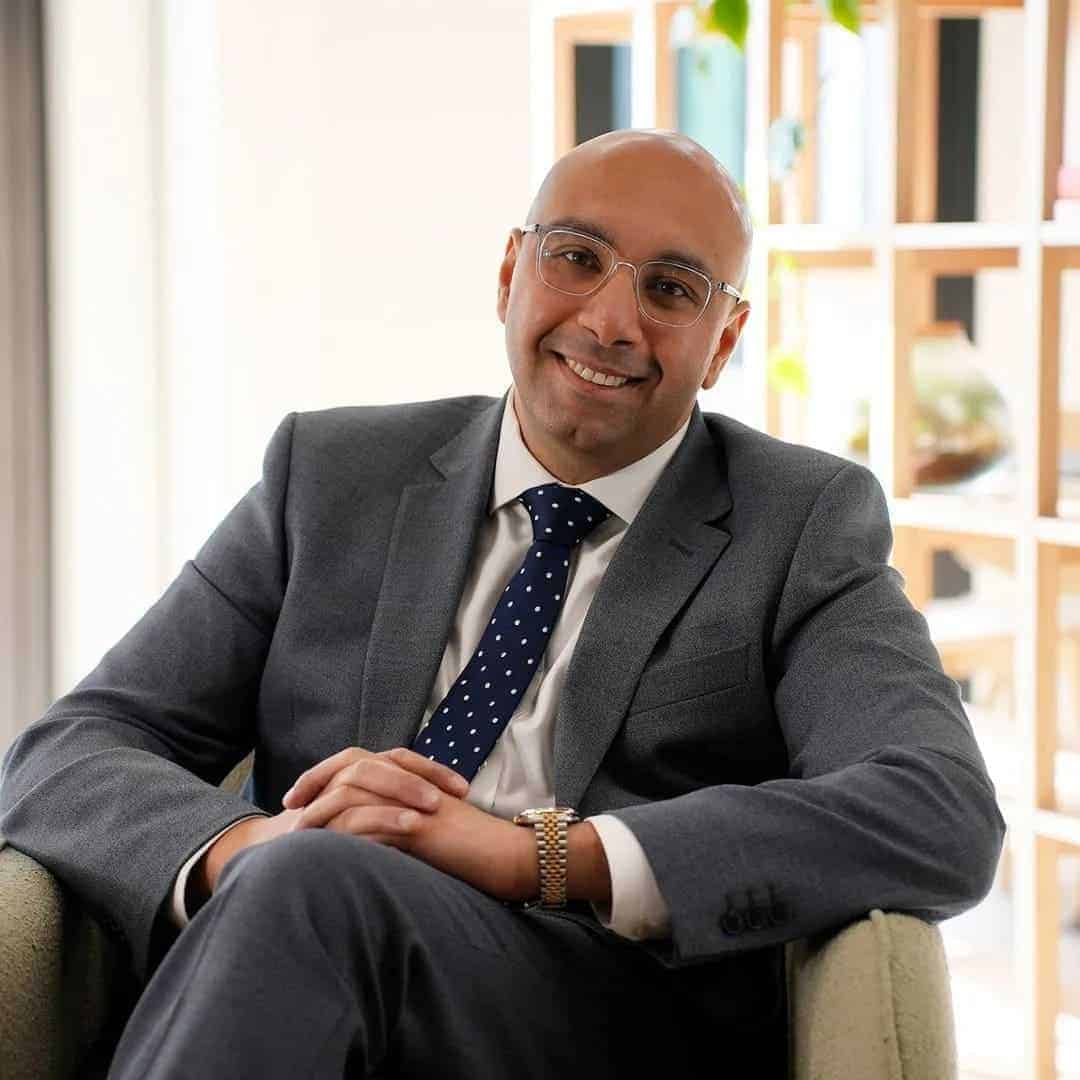
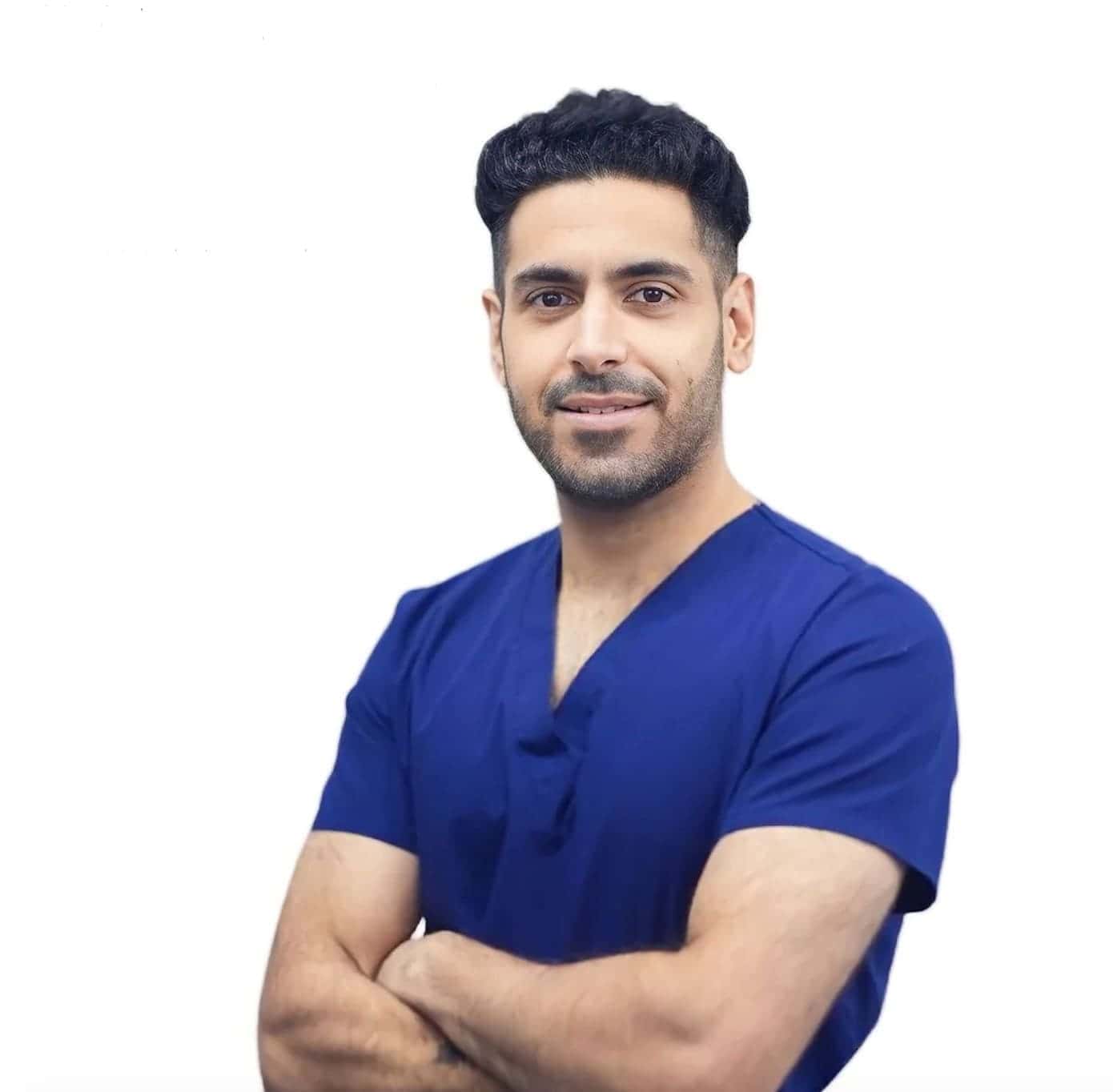
The Nottingham team is headed by Dr. Mohammed Ditta (GMC No: 7084372) and Dr. Aziz Elgindi (GMC No: 7450896). They are among our most experienced surgeons and consistently provide patients with sound clinical judgement, technical competence, and effective surgical management for optimised patient care.
She has performed hundreds of hair transplants for trans patients, using both FUE and DHI methods. If you’re looking for surgery, or just some general advice on hair transplants, why not book your first consultation today?
Book Your Free Consultation in Nottingham
Speak to one of our GMC-registered surgeons about your hair loss. No obligation, no hard sell.
Where to Find Us
Hair Transplant Nottingham is centrally located and easily accessible from across the East Midlands.
Hair Transplant Nottingham
6th Floor, City Gate East
Tollhouse Hill
Nottingham
NG1 5FS
The clinic is a short walk from Nottingham train station and the NET tram network. Easy access from the M1 motorway with several car parks nearby in the city centre.
Patient Testimonials
Aside from achieving fantastic results, we believe that keeping in touch with our patients before, during and after their hair transplantation procedure is paramount – it helps to keep our patients feeling calm and in control. We’re always on hand to provide guidance, support and aftercare advice. Time and again, our patients tell us that this is what sets us apart from other clinics.
You can read our great reviews of FUE hair transplants over on Google and Trustpilot


Frequently Asked Questions
A transgender hair transplant uses follicles from the donor area at the back and sides of the scalp, implanted into areas of thinning or loss. All procedures at our Nottingham clinic are performed by GMC-registered surgeons.
Most patients return to work within a few days. Transplanted hairs shed at 2 to 4 weeks, which is normal. New growth begins at 3 to 4 months and the majority of the final result is visible by 9 to 12 months.
The procedure is performed under local anaesthetic. Most patients experience minimal discomfort during treatment.
Cost depends on the number of grafts required. Your patient advisor will provide an exact quote during your free consultation. Finance options are available.
The best way to confirm suitability is through our free consultation. Your surgeon will assess your donor density and discuss realistic outcomes.
Graft counts depend on the area treated and degree of hair loss. Typical procedures range from 1,000 to 3,000 grafts. Your surgeon will give an accurate estimate.