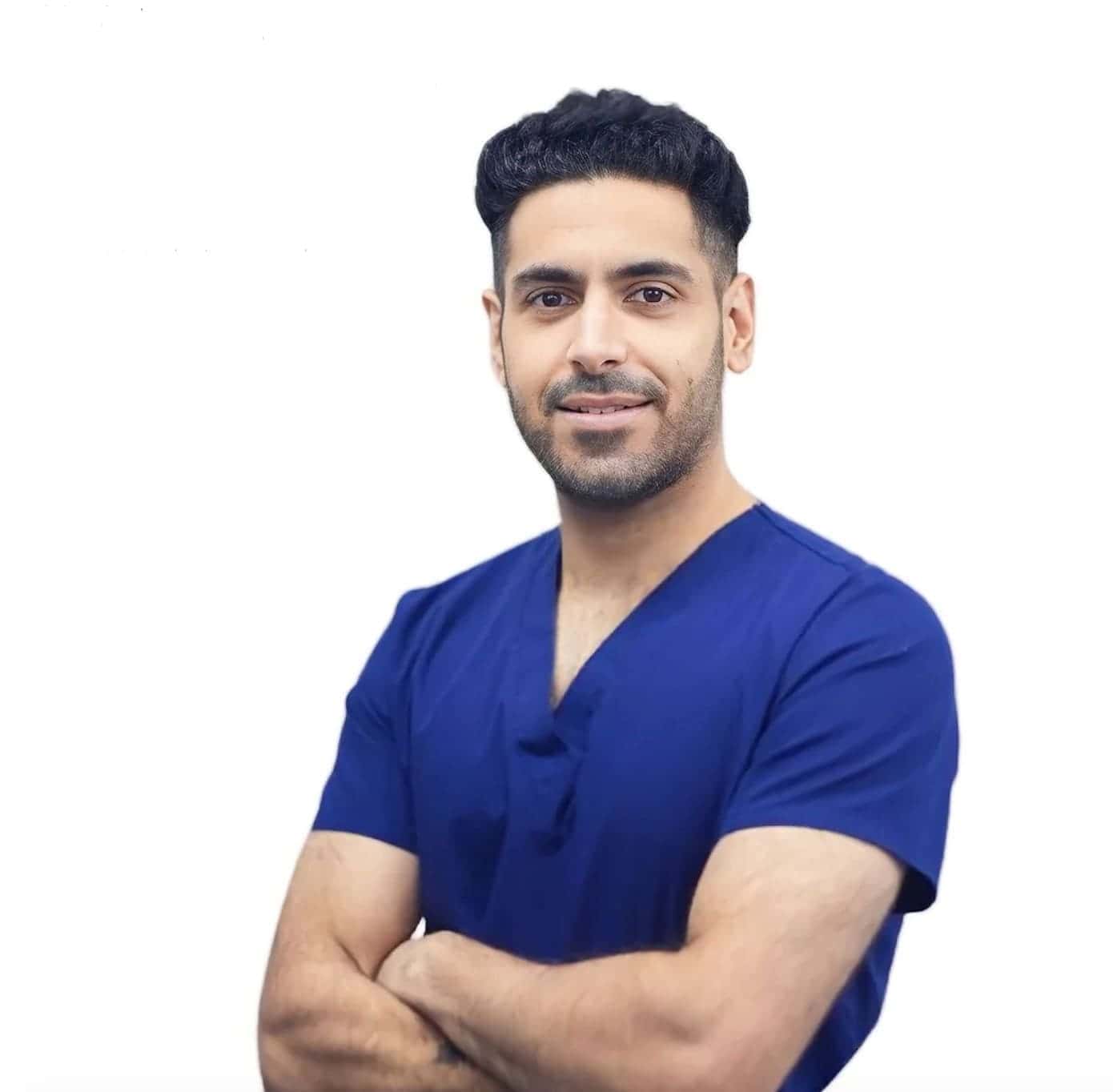





Every procedure at our Nottingham clinic is carried out by a GMC-registered doctor
Centrally located and easy to reach from across the East Midlands by road and public transport
An honest look at your hair loss, your donor supply, and what surgery can realistically achieve
Your surgeon concentrates on your procedure throughout the day, no shared time between multiple patients
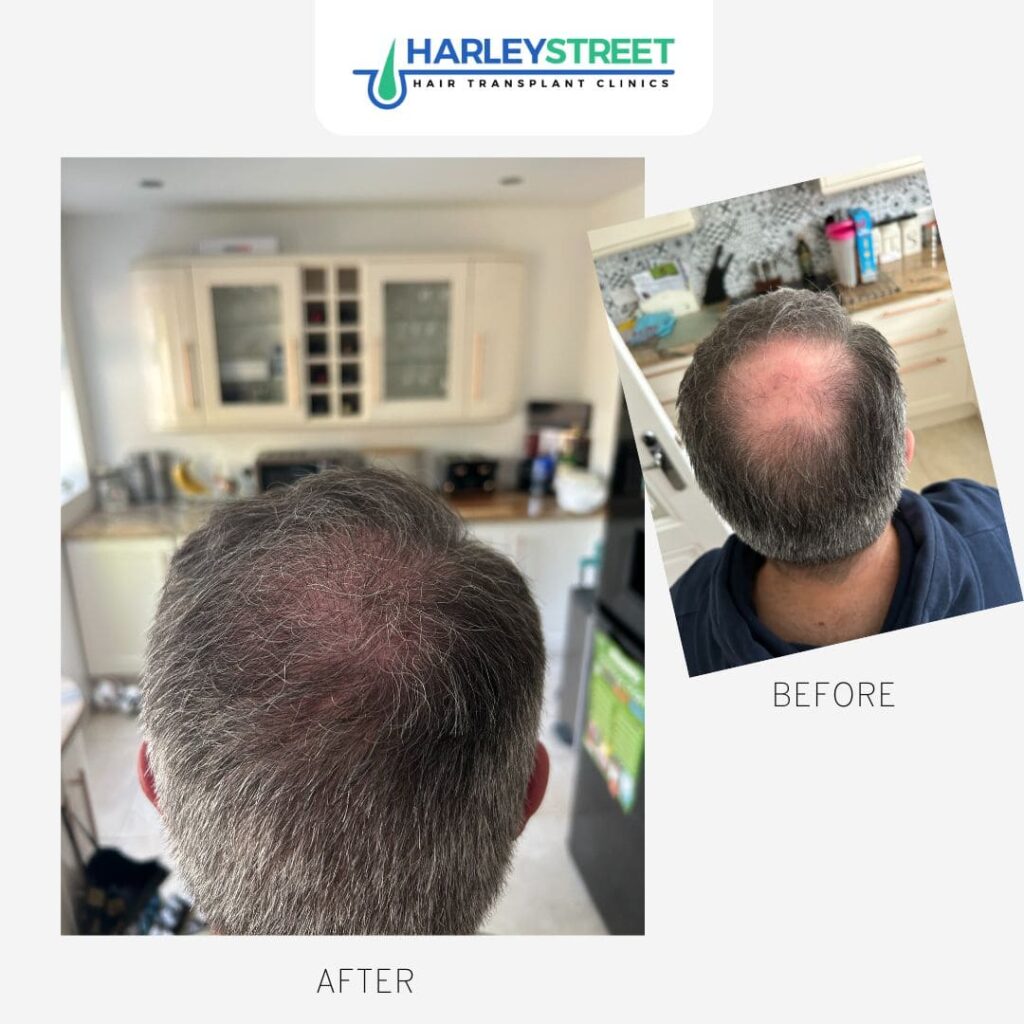
Before and After Crown Hair Transplant Results in Nottingham
A selection of results from patients treated at our Nottingham clinic. All procedures were performed by our GMC-registered surgeons.
Book Your Free Consultation in Nottingham
Speak to one of our GMC-registered surgeons about your hair loss. No obligation, no hard sell.
Where to Find Us
Hair Transplant Nottingham is centrally located and easily accessible from across the East Midlands.
Hair Transplant Nottingham
6th Floor, City Gate East
Tollhouse Hill
Nottingham
NG1 5FS
The clinic is a short walk from Nottingham train station and the NET tram network. Easy access from the M1 motorway with several car parks nearby in the city centre.
Crown Hair Transplant Nottingham
At the Nottingham hair transplant clinic, we take hair transplant surgery seriously. If you have suffered from crown thinning, then you may be considering a hair transplant procedure. On this page, you will find everything you need to know about the crown hair transplant: the procedure and aftercare, the surgical team, and the cost of the procedure.
What Is a Crown Hair Transplant Surgery (Nottingham)?
Simply put, a crown hair transplant is a procedure that helps patients tackle minor to severe cases of hair loss in the crown area. Usually used to treat a condition called male pattern hair loss, the Nottingham hair transplant clinic has performed thousands of crown surgeries and changed the lives of many!
The most popular method used for a crown transplant is the FUE hair transplant, as this surgical method not only provides a short recovery time in comparison to other options but also provides an exceptional result (between 95-97% graft uptake).
The aim of the crown surgery is usually to increase the density of the crown area, implanting hair grafts into the affected area so the crown looks visibly thicker and fuller. Throughout the 12-month recovery period, patients will experience new hair growth in the crown, improving their appearance and self-confidence.
How Does a Crown Hair Transplant Surgery Work?
Have you ever wondered how a crown hair transplant works? Well, we will lay out the basics of everything that will happen on the day of your crown transplant, from start to finish
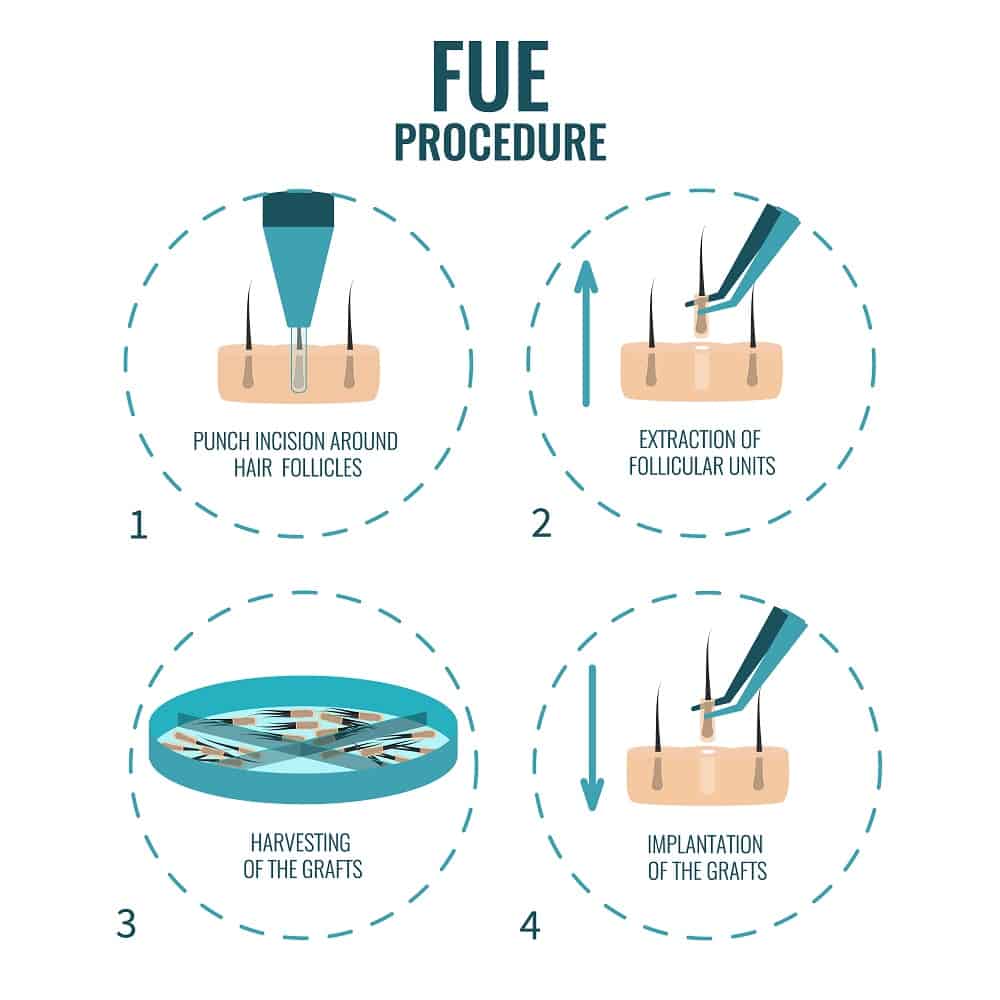
First, the day will begin with a hair loss consultation with one of our GMC-registered surgeons at the Nottingham Hair Transplant Clinic. Here, you will discuss your final aims and expectations before surgery and we will begin the preparation phase: shaving your head, sectioning off the donor area, and prepping local anaesthesia.
After this, you will be given local anaesthesia. You will be conscious throughout the procedure, but will not feel any pain. Some patients have even likened it to a head massage! We usually recommend patients bring a book, tablet, or ipad with them to pass the time.
So, how does an FUE hair transplant procedure on the crown work at the Nottingham clinic? Here is the process:
- Extraction Phase – this is the first phase of your crown hair transplant. This is where your hair follicles are extracted from your donor site using a small punch tool. Usually, between 1,500 and 2,500 donor hairs are taken for a crown hair transplant.
- Harvesting Phase – whilst the surgeon is extracting hair follicles, the removed grafts will be separated into groups of “singles”, “doubles”, and “triples”. This refers to how many follicular units are present in each graft. Grafts are counted, grouped, and stored safely in sterilised petri dishes with saline solution.
- Incision Phase – After a short lunch break, the surgeon will begin the incision phase of the crown transplant. Incisions are made in the crown area so transplanted hair can be implanted into the recipient area. For most FUE hair transplants, this takes about an hour.
- Implantation Phase – Once the incisions have been made and grafts have been counted, the implantation phase can begin. Whilst “doubles” and “triples” are used in the centre of the balding crown, the “singles” are used to blend the transplanted hairs into the existing hair.
Hair Transplant (Nottingham) Aftercare
After your hair transplant, your main area of concern is going to be the aftercare routine you deploy. With good aftercare comes outstanding results! After your Follicular Unit Extraction (FUE) crown surgery, you will need 14 days off work post-procedure.
During your recovery period, this will help you recover from your procedure, letting the scalp and recipient site heal fully. During this time, we recommend you do not partake in strenuous physical activity or spend too much time in the sun. This can affect the final result of your crown transplant.
After your surgery, you will be provided with a full aftercare package and instructions.. This includes: antibiotics, savlon cream, specialised shampoo, and a neck pillow.
Crown Hair Transplant Cost
At the Nottingham hair transplant clinic, we’re proud to offer surgeon performed hair transplants at a competitive price! All of our Nottingham surgeries are performed by our GMC-registered surgeons, meaning your hair transplant is performed by an experienced pair of hands!
Crown surgeries at the Nottingham clinic start from around £4,500. Crown surgeries typically cost between £5,000 and £6,500. For an exact hair transplant quote discerned by Nottingham consultant, feel free to book in for a free consultation!
At the Nottingham Hair Transplant Clinic, we also have several available finance options to help you pay for your hair regrowth treatments. These include 0% APR options or the ability to pay for your hair transplant over the the course of, up to, 5 years!
So, hair transplant cost is an important thing to factor in to your hair restoration journey. However, we’re committed to making sure hair loss solutions are available for all.
How is a Crown Surgery Different to a Hairline Hair Transplant?
The main difference between a crown and hairline hair transplant procedure is where the “recipient area” is located. For hairline transplants, the recipient area is located in the temple area and at the front of the hairline. This is used in smaller cases of male pattern baldness to treat the “receding hairline”.
The recipient site on a crown hair transplant is located in the crown area. This is on the top of the head. As symptoms of male pattern baldness worsen, the thinning on the crown will eventually become larger.
What Surgical Methods Are Used For A Crown Hair Transplant Surgery?
Follicular Unit Extraction (FUE)
The FUE Hair Transplant is the most common surgical procedure available today. This method looks to extraction hair follicles from your donor area, one by one, before implanting them into your crown area. An FUE hair transplant (crown), boasts a 14 day recovery time and does not leave any linear scars, as is the case with an FUT hair transplant.
Direct Hair Implantation (DHI)
The DHI hair transplant uses a surgical method very similar to the FUE hair transplant. The main difference is the type of implanting tool that is used in DHI. The CHOI implanter pen enables the hair transplant surgeon to speed up the implantation process.
The CHOI pen makes the incision and implantation procedure almost instantaneous, creating a tiny incision and then “dropping in” the follicle straight after. This reduces the amount of time the graft remains out of the scalp and reduces the likelihood of poor implantation.
In turn, this means DHI surgery can have a slightly higher efficacy of graft uptake. A DHI transplant is slightly costlier than FUE, but is a procedure we offer at the Nottingham hair transplant clinic.
Follicular Unit Transplantation (FUT)
Sometimes called the “strip method”, FUT looks to take excise a thin linear strip of skin from the back of your scalp, and use the donor hair follicles on this strip for transplantation. Although this method can be used for surgery, it is only used in cases of severe crown hair loss, or MTF transgender patients who wish to keep their hair long, post-surgery.
FAQs
Why Do Patients Get a Crown Hair Transplant?
Crown thinning, like any other form of hair loss, can be a stressful time for anybody. In the UK, it is estimated that 70% of all men will experience hair loss by the age of 70, a high percentage of which will experience crown hair loss.
Although the crown is area is not quite as visible as other hair loss symptoms such as the receding hairline, it can still be disheartening to experience crown hair loss through hair on the pillow, near the plughole, or on a brush/comb.
So, if you want to speak to experienced professionals about how to combat your crown hair loss, then don’t hesitate to book in your free consultation using this link.
Is Follicular Unit Extraction or Direct Hair Implantation Better For a Crown Surgery?
The answer to this question is actually quite complex. In reality, it does depend on a range of factors including: age, severity of case, quality of the donor area, as well as hair transplant affordability.
However, as the crown area is, generally speaking, less visible than the hairline, beard, or eyebrow areas, this does change a couple of elements in the surgery. As opposed to a finessed and blended result with the other surgeries mentions, the aim of a crown hair transplant is hair growth and density.
In this instance, the FUE method is usually recommended and is the most popular crown transplant method in Nottingham and other clinics in the Harley Street Hair Transplant Clinics group.
I’m Suffering With the Early Signs of Hair Loss. Is a Crown Hair Transplant the Best Option for Me?
If your hair loss symptoms are only in their initial phase, then a crown transplant (Nottingham) may not be needed. In smaller crown hair loss cases, medication such as Minoxidil, Finasteride, or Dutasteride, may be recommended to stabilise hair loss, before a more drastic method (like the crown hair transplant) is taken.
What Conditions Can a Crown Transplant Be Used to Treat?
The Crown Transplant can be used to treat patients who are mainly suffering with pattern hair loss conditions. However, it can also be used for patients who are suffering with traction alopecia or need scar repair.
The crown transplant, and hair transplantation more generally, is not suitable for patients with alopecia areata. Alopecia areata is a temporary hair loss condition, meaning your hair follicles will grow back in time. This negates the need for a crown transplant.
If you are unsure whether you need a crown transplant, don’t hesitate to book your consultation with Harley Street Hair Transplant Clinics (Nottingham) today!
Frequently Asked Questions
A crown hair transplant uses follicles from the donor area at the back and sides of the scalp, implanted into areas of thinning or loss. All procedures at our Nottingham clinic are performed by GMC-registered surgeons.
Most patients return to work within a few days. Transplanted hairs shed at 2 to 4 weeks, which is normal. New growth begins at 3 to 4 months and the majority of the final result is visible by 9 to 12 months.
The procedure is performed under local anaesthetic. Most patients experience minimal discomfort during treatment.
Cost depends on the number of grafts required. Your patient advisor will provide an exact quote during your free consultation. Finance options are available.
The best way to confirm suitability is through our free consultation. Your surgeon will assess your donor density and discuss realistic outcomes.
Graft counts depend on the area treated and degree of hair loss. Typical procedures range from 1,000 to 3,000 grafts. Your surgeon will give an accurate estimate.
Patient Testimonials
Aside from achieving fantastic results, we believe that keeping in touch with our patients before, during and after their hair transplantation procedure is paramount – it helps to keep our patients feeling calm and in control. We’re always on hand to provide guidance, support and aftercare advice. Time and again, our patients tell us that this is what sets us apart from other clinics.
You can read our great reviews of FUE hair transplants over on Google and Trustpilot