






Hair Loss (Alopecia): Causes, Types, Symptoms, and Treatment Options
Hair loss, medically known as alopecia, is a common condition affecting both men and women in the UK. While some hair loss is temporary, other forms are progressive and require long-term management. Understanding why hair loss happens, how it develops, and which type you are experiencing is essential before considering treatment.
What is Hair Loss?
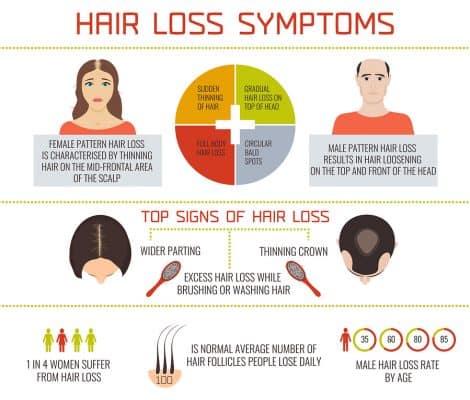
Hair loss refers to the partial or complete loss of hair from the scalp or body. It occurs when the normal hair growth cycle becomes disrupted, causing hair to shed faster than it can regrow. As adults, we typically shed between 50-100 hair follicles every day without even noticing.
Some forms of hair loss are temporary, meaning your hair will eventually grow back. Common explanations for temporary hair loss include: physical or emotional stress, illness or surgery, hormonal changes, and nutritional deficiencies
Other forms (particularly genetic hair loss) are progressive and require ongoing management to slow or stabilise further thinning. The most common type of hair loss is called androgenetic alopecia (male pattern baldness and female pattern baldness). Common early signs of hair loss include:
- A receding hairline
- Thinning at the crown or temples
- Widening of the parting
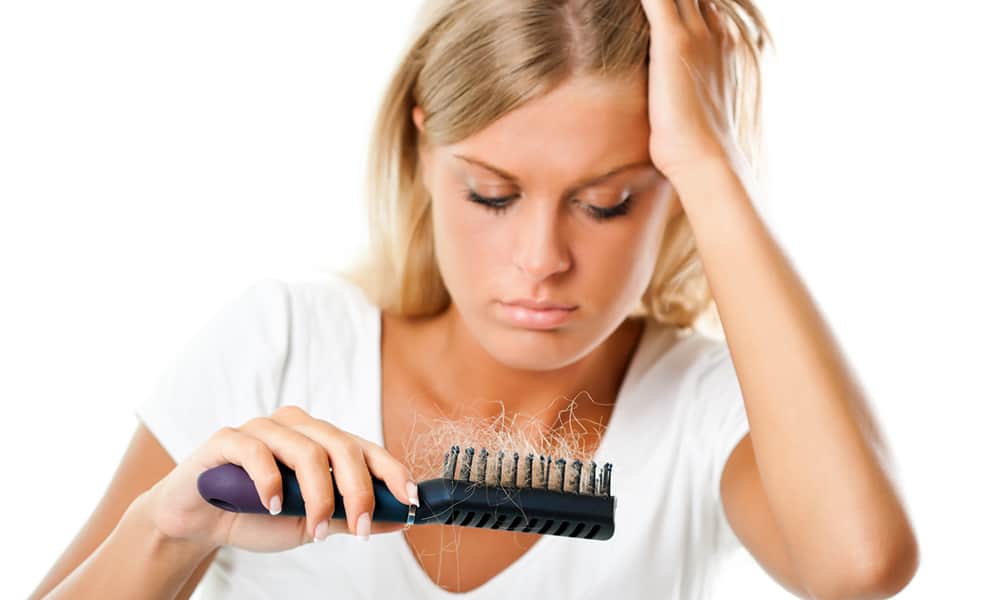
- Increased daily shedding
- Patchy or localised bald areas
Recognising these symptoms early plays a key role in accurate diagnosis and effective treatment planning. If you think you are experiencing androgenetic alopecia, then you will need to take medication to stabilise hair loss and a hair transplant to regrow hair follicles in any bald patches.
How Hair Normally Grows: The Hair Growth Cycle
To understand hair loss, it’s important to understand how hair follicles function and how the normal hair growth cycle works.
Each hair follicle on the scalp operates independently and follows a continuous, repeating growth cycle. At any given time, different hairs are in different stages of this cycle, which is why some daily shedding is completely normal. Problems arise when this balance is disrupted.
Hair growth occurs in three main phases:
- Anagen (growth phase) – this is the active growth phase, during which hair fibres are continuously produced. The anagen phase typically lasts between two and seven years, depending on genetics, age, and overall health. Around 85–90% of scalp hairs are usually in this phase at any one time. The length of the anagen phase largely determines how long and thick hair can grow.
- Catagen (transition phase) – the catagen phase is a short transitional stage lasting only a few weeks. During this time, hair growth stops, the follicle shrinks, and detaches from its blood supply. Only a small percentage of hairs are in this phase at any given moment.
- Telogen (resting and shedding phase) – in the telogen phase, the hair follicle enters a resting state. The existing hair is eventually shed, and the follicle prepares to re-enter the anagen phase to produce a new hair. This phase typically lasts two to four months, and around 10–15% of hairs are normally in telogen.
Hair loss occurs when this cycle becomes disrupted. This can happen when:
- The anagen (growth) phase shortens, resulting in finer, weaker hairs
- A higher-than-normal number of follicles enter the telogen phase at the same time
- Hair follicles become miniaturised, producing progressively thinner hair shafts
- Follicles become inactive or permanently damaged
When an excessive number of hair follicles shift into the resting and shedding phase simultaneously, the result is increased daily shedding and noticeable thinning. This process is known as telogen effluvium and is often triggered by factors such as physical stress, illness, hormonal changes, surgery, or significant emotional stress.
Common Types of Hair Loss (Alopecia)
Alopecia is not a single condition, but an umbrella term covering several distinct hair loss disorders. Each type has different causes, progression patterns, and treatment options. It may be possible to gauge your hair loss condition from the symptoms mentioned below.
Male Pattern Baldness (Androgenetic Alopecia)
Male pattern baldness is the most common cause of hair loss in men. It is driven by genetics and sensitivity to the hormone dihydrotestosterone (DHT). It typically presents as a receding hairline, thinning at the temples, and later hair loss at the crown.
This form of hair loss is permanent and progressive. It is assessed using the Hamilton-Norwood Hair Loss Scale. To treat male pattern hair loss, patients can opt for medical treatments such as: medication, PRP, or a hair transplant.
Female Pattern Hair Loss (Androgenetic Alopecia)
Female pattern hair loss is caused by genetic and hormonal factors and usually appears as: diffuse thinning across the top of the scalp and a widening of the mid-parting. Female pattern baldness is assessed using the Ludwig Scale.
Unlike male pattern baldness, complete bald patches are uncommon. Although permanent, female pattern hair loss can often be managed effectively with early diagnosis and appropriate medical treatment. In most cases, hair transplantation is not recommended for women’s androgenic alopecia.
Traction Alopecia
Traction alopecia results from repeated tension on the hair follicles, commonly caused by tight ponytails or buns, braids and cornrows, or hair extensions and weaves. Hair loss typically affects the hairline and temples.
When identified early, traction alopecia is often reversible. Prolonged tension, however, can lead to permanent follicle damage.
Scarring Alopecia
Scarring alopecia refers to a group of inflammatory conditions that destroy hair follicles and replace them with scar tissue. Causes include: autoimmune disease. chronic scalp inflammation, and infections.
Once follicles are damaged, regrowth is not possible. Early diagnosis is critical to prevent further progression. The most common type of scarring hair loss we see at the Nottingham clinic is Frontal Fibrosing Alopecia (FFA).
Alopecia Areata
Alopecia areata is an autoimmune condition in which the immune system attacks healthy hair follicles. It often causes, sudden, patchy hair loss (in the size of a 10p piece). Alopecia areata can also cause hair loss on the scalp, beard (alopecia barbae), or body
The condition is unpredictable. Hair may regrow naturally, but some cases require medical management to control progression. To diagnose this condition and find a medical treatment, you sufferers will need to contact a GP or dermatologist.
Why Does Hair Loss Happen?
Hair loss rarely has a single cause. In most cases, it develops due to a combination of genetic predisposition, hormonal activity, biological ageing, and external triggers that interfere with the normal hair growth cycle.
Healthy hair growth depends on hair follicles remaining active and spending enough time in the anagen (growth) phase. When internal or external factors disrupt this process, follicles may:
- Enter the resting (telogen) phase prematurely
- Produce thinner, weaker hair fibres
- Shrink over time and become less productive
- Stop producing hair altogether
Some forms of hair loss are reactive, meaning they occur in response to stress, illness, or hormonal fluctuation and may be temporary. Others are progressive, where hair density gradually reduces over time due to ongoing biological processes.
Genetic and Hereditary Hair Loss Explanations
The most common cause of long-term hair loss in both men and women is androgenetic alopecia, often referred to as male pattern baldness or female pattern hair loss. This condition is inherited and linked to a genetic sensitivity of hair follicles to the hormone dihydrotestosterone (DHT).
DHT is a by-product of testosterone and plays a central role in pattern hair loss. In genetically susceptible individuals, DHT binds to receptors in the hair follicles, triggering a process known as follicular miniaturisation. Over time, this causes the eventual cessation of hair production in affected follicles
This process does not happen overnight. Genetic hair loss typically develops gradually over years, following predictable patterns:
- In men, this often includes recession at the hairline, temple thinning, and crown loss
- In women, it usually presents as diffuse thinning across the top of the scalp with preservation of the frontal hairline
Although androgenetic alopecia is considered permanent, its progression can often be slowed or stabilised when identified early. Medical treatments aimed at reducing the effects of DHT or supporting follicle activity may help preserve existing hair density. Once follicles have fully miniaturised and become inactive, however, regrowth is no longer possible.
How Hair Loss Is Diagnosed
Accurate diagnosis is essential, as different hair loss conditions require different treatment approaches. A professional hair loss assessment typically involves:
- Scalp and hair density examination
- A review of medical history
- Lifestyle and hormonal considerations
- Identification of hair loss patterns
Early diagnosis improves outcomes and helps prevent unnecessary or ineffective treatments. But when should you contact a hair transplant clinic, dermatologist or GP?
As a general rule of thumb, if you’re certain you have androgenic alopecia then a hair transplant clinic is the right port of call for you. If you are unsure what is causing your hair loss, or you are experiencing general thinning hair, then you may want to speak with your GP or dermatologist.
Patchy or sudden hair loss is usually a sign of deeper underlying health conditions. So, consult with your doctor or GP rather than a hair transplant surgeon in these circumstances.
Hair Loss Treatment Options Explained
Treatment depends entirely on the type, cause, and stage of hair loss. If you’re starting to lose hair, then early intervention is always a safe policy. Options may include:
- Medical treatments (e.g. minoxidil, prescription medications such as finasteride) – clinically proven treatments that work by supporting hair follicle activity or reducing the hormonal processes responsible for genetic hair loss, helping to slow progression and preserve existing hair when used consistently.
- Lifestyle and supportive therapies – non-medical approaches focused on improving overall hair and scalp health by addressing contributing factors such as stress, nutrition, scalp care, and underlying health conditions that may influence shedding or thinning.
- Surgical solutions (e.g. hair transplantation) – a permanent treatment option for suitable candidates with stable hair loss, involving the relocation of healthy hair follicles from donor areas to thinning or bald regions to restore natural-looking hair density.
Not all forms of hair loss are treatable with surgery, which is why diagnosis must come first. So, have a chat with your GP before approaching a commercial hair clinic who specialise in hair transplants.
Understanding Your Hair Loss: The First Step Forward
Hair loss is complex and highly individual. Whether caused by genetics, hormones, autoimmune conditions, or mechanical stress, no two cases are the same.
Understanding the type of hair loss you are experiencing is the foundation of effective treatment. With early diagnosis and an evidence-based approach, it is often possible to preserve existing hair and manage progression successfully.
Patient Testimonials
Aside from achieving fantastic results, we believe that keeping in touch with our patients before, during and after their hair transplantation procedure is paramount – it helps to keep our patients feeling calm and in control. We’re always on hand to provide guidance, support and aftercare advice. Time and again, our patients tell us that this is what sets us apart from other clinics.
You can read our great reviews of FUE hair transplants over on Google and Trustpilot


